
Evidence-based resources for families and educators
RESEARCH
The Benefits of Nature-Based Learning
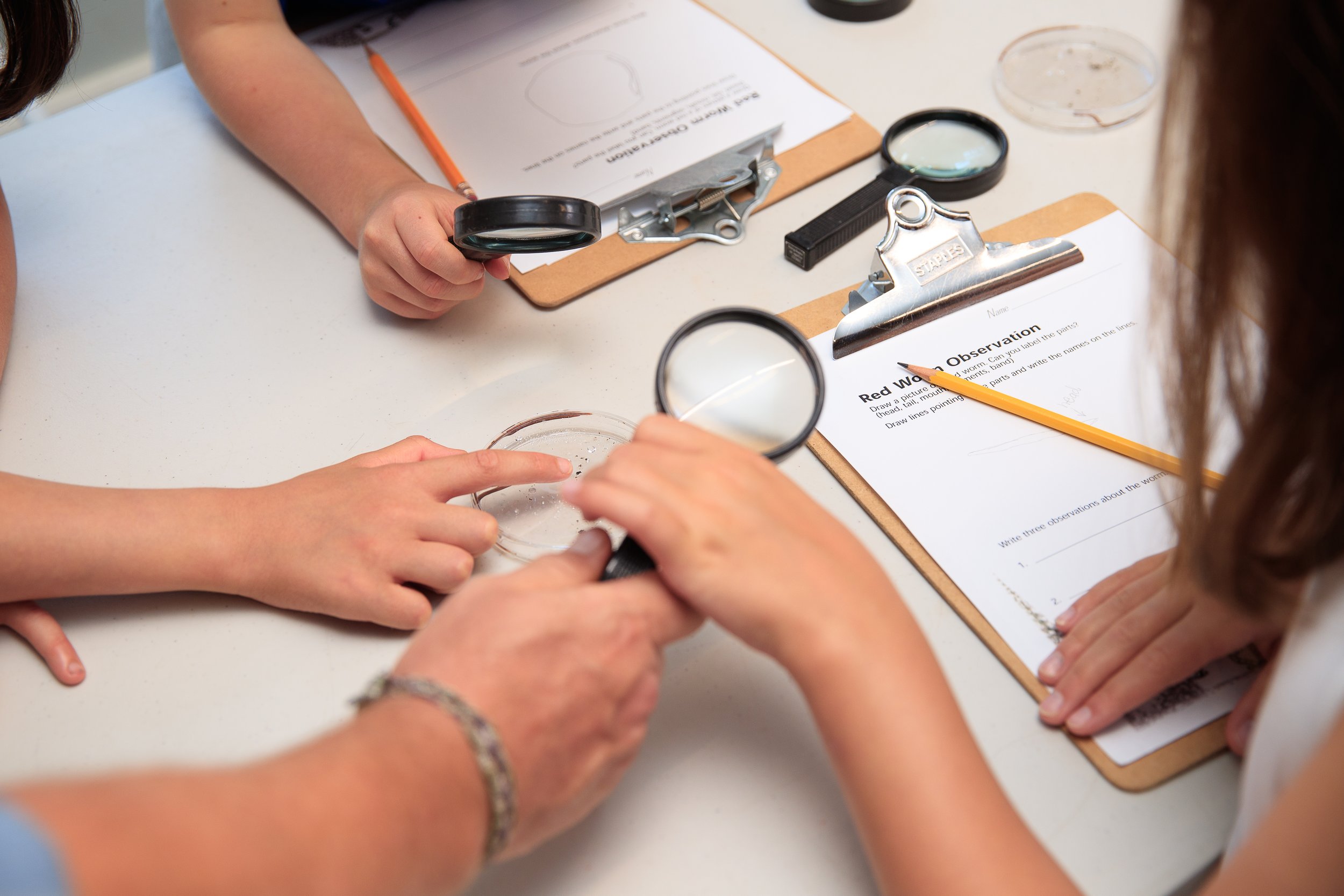
At Windham Woods School, we recognize that children are growing up in an increasingly fast-paced, technology-driven world. As highlighted in The Anxious Generation (2024), children in the United States are experiencing rising levels of anxiety, cognitive fatigue, and diminished well-being. In response, we are committed to providing meaningful outdoor classroom experiences that immerse students in the natural world. Research consistently demonstrates that exposure to nature is restorative, enhances cognitive functioning, and improves students' readiness to learn.
Recommended Reading
"Benefits of Nature Exposure on Cognitive Functioning in Children and Adolescents: A Systematic Review and Meta-Analysis"
- Journal of Environmental Psychology, Volume 96 (June 2024)
Outdoor Learning Supports Academic and Emotional Growth
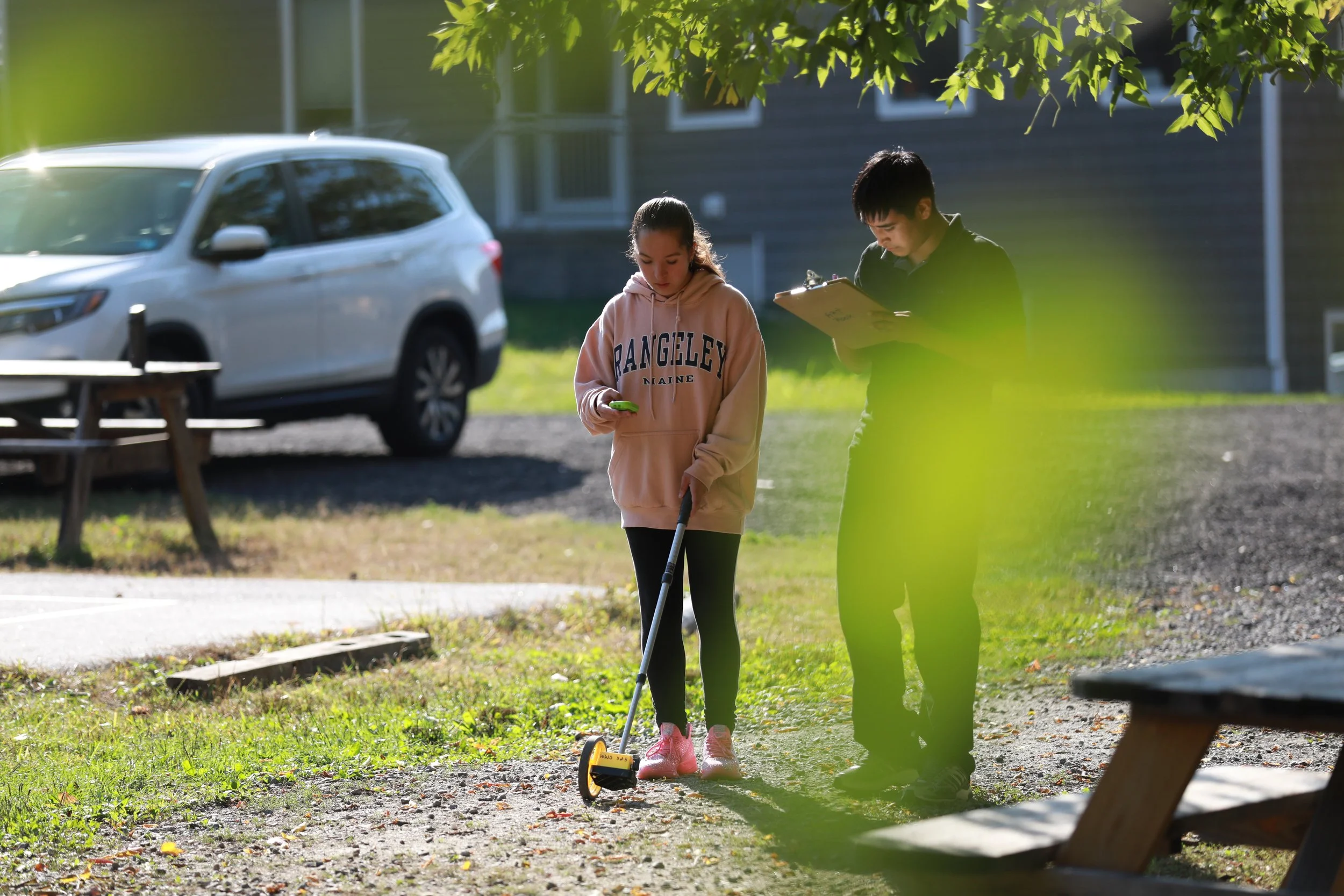
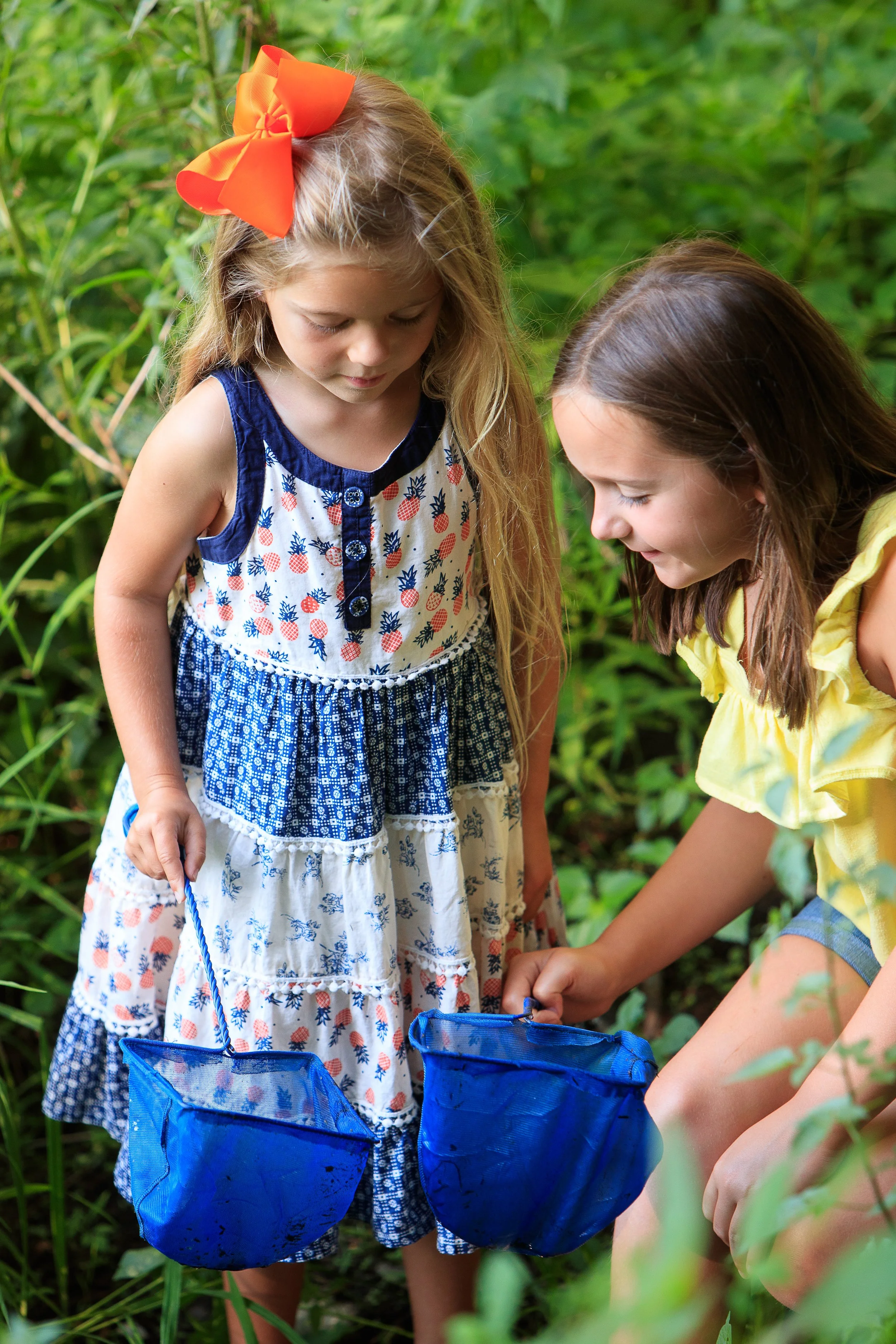
New research from Texas A&M University adds to the growing evidence that time spent learning outdoors can benefit students academically, physically, and emotionally. Dr. Arianna Pikus and her colleagues found that nature-based learning can support literacy development, physical health, and social-emotional skills.
These findings closely reflect the approach to learning at Windham Woods. Our campus provides frequent opportunities for students to move beyond the traditional classroom and learn through exploration, movement, collaboration, and hands-on experiences outdoors. As Pikus explains, “When children spend more time outside, there’s all of these benefits to them in multiple areas of development.”
Recommended Reading
Outdoor Learning Linked to Gains in Literacy, Well-Being for Children and Teachers
Texas A&M University · February 2026 · Darren Benson
The Importance of Community and Belonging
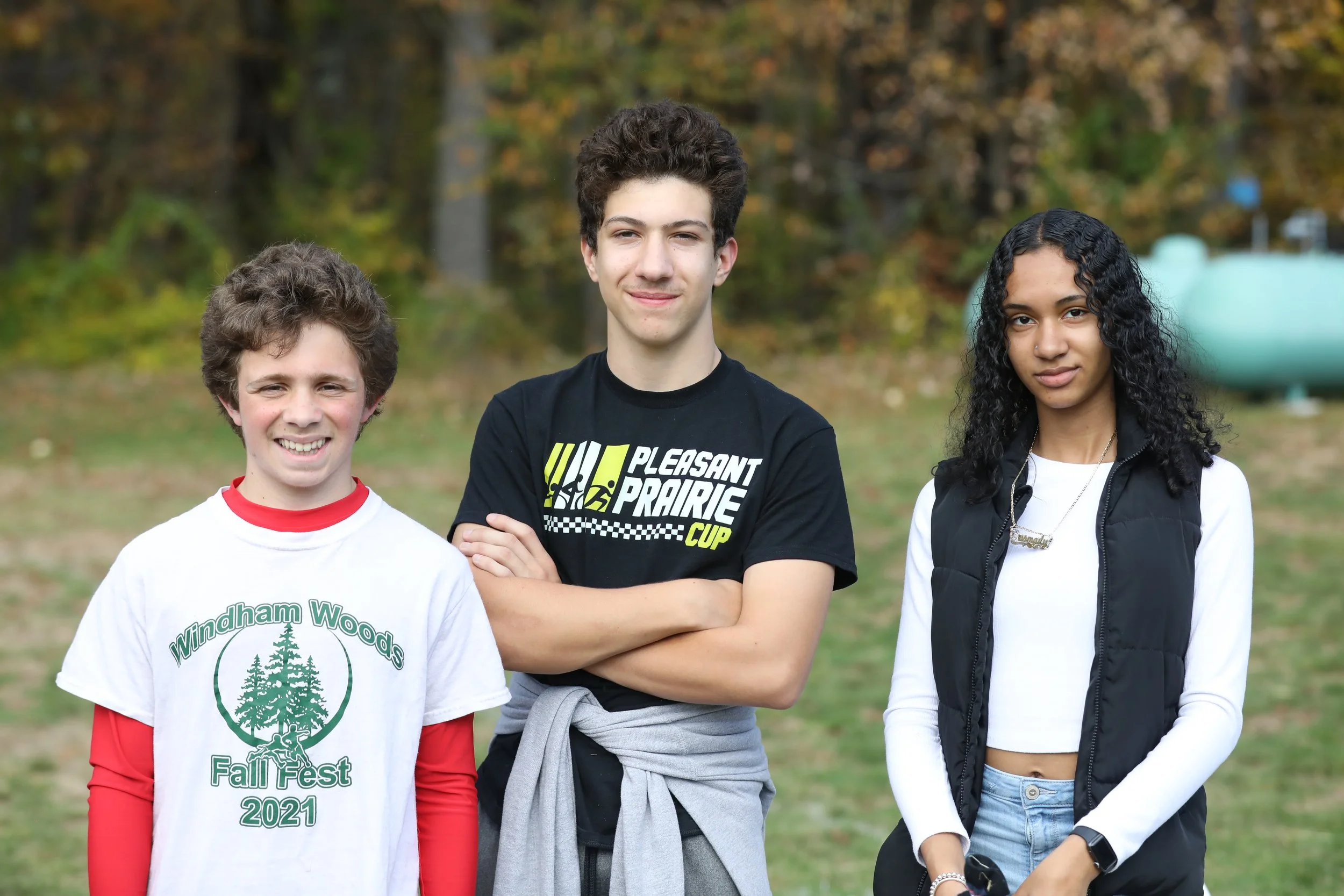
While home and family are the primary influences in every child's life, a child's school experience plays a significant role in their overall development and well-being. At Windham Woods School, we are committed to ensuring that every student is seen, heard, and appreciated for their unique strengths and contributions. A strong sense of community is central to our mission, fostering meaningful relationships among students and teachers that support emotional well-being, resilience, and personal growth. Research suggests that the positive effects of these relationships extend well into adulthood.
The following research brief from Health Affairs highlights the profound influence of education on lifelong health and development, estimating that education accounts for up to 40% of the factors shaping health outcomes.
Recommended Reading
The Relative Contribution of Multiple Determinants on Health
- healthaffairs.org • Health Policy Brief (August, 2014) • Laura McGovern
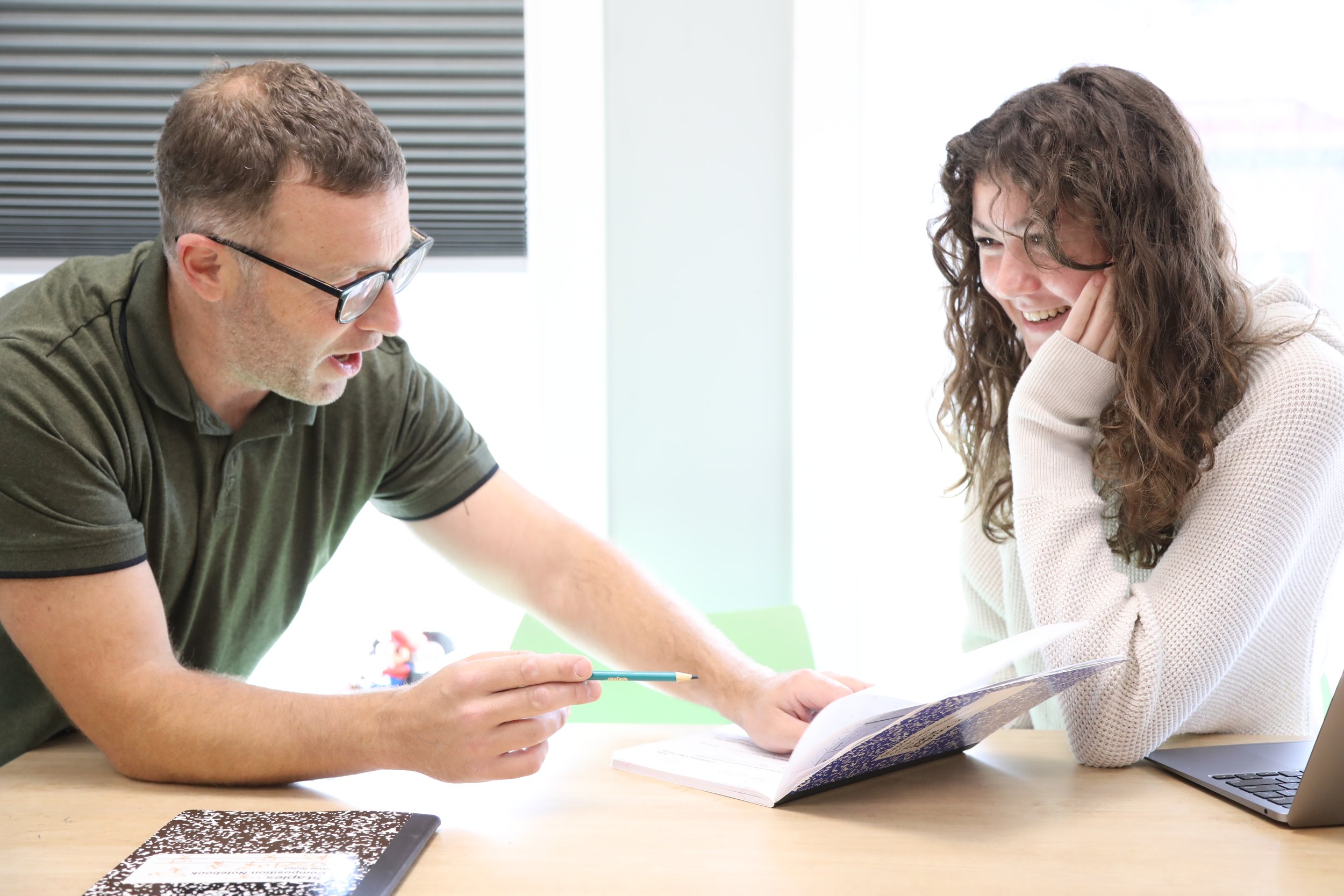
The Power of Student–Teacher Relationships
Relationship-building is a cornerstone of the educational philosophy at Windham Woods School. We believe that meaningful connections between teachers and students create the foundation for academic growth, confidence, and lifelong learning. While artificial intelligence is playing an increasingly prominent role in education, we remain committed to the belief that authentic human relationships provide the strongest pathway to student success. Our teachers intentionally cultivate supportive, trusting relationships that help every child feel known, valued, and inspired to learn.
Recommended Reading
"What the Longest Study on Human Happiness Found Is the Key to a Good Life"
- The Atlantic • January 19, 2023
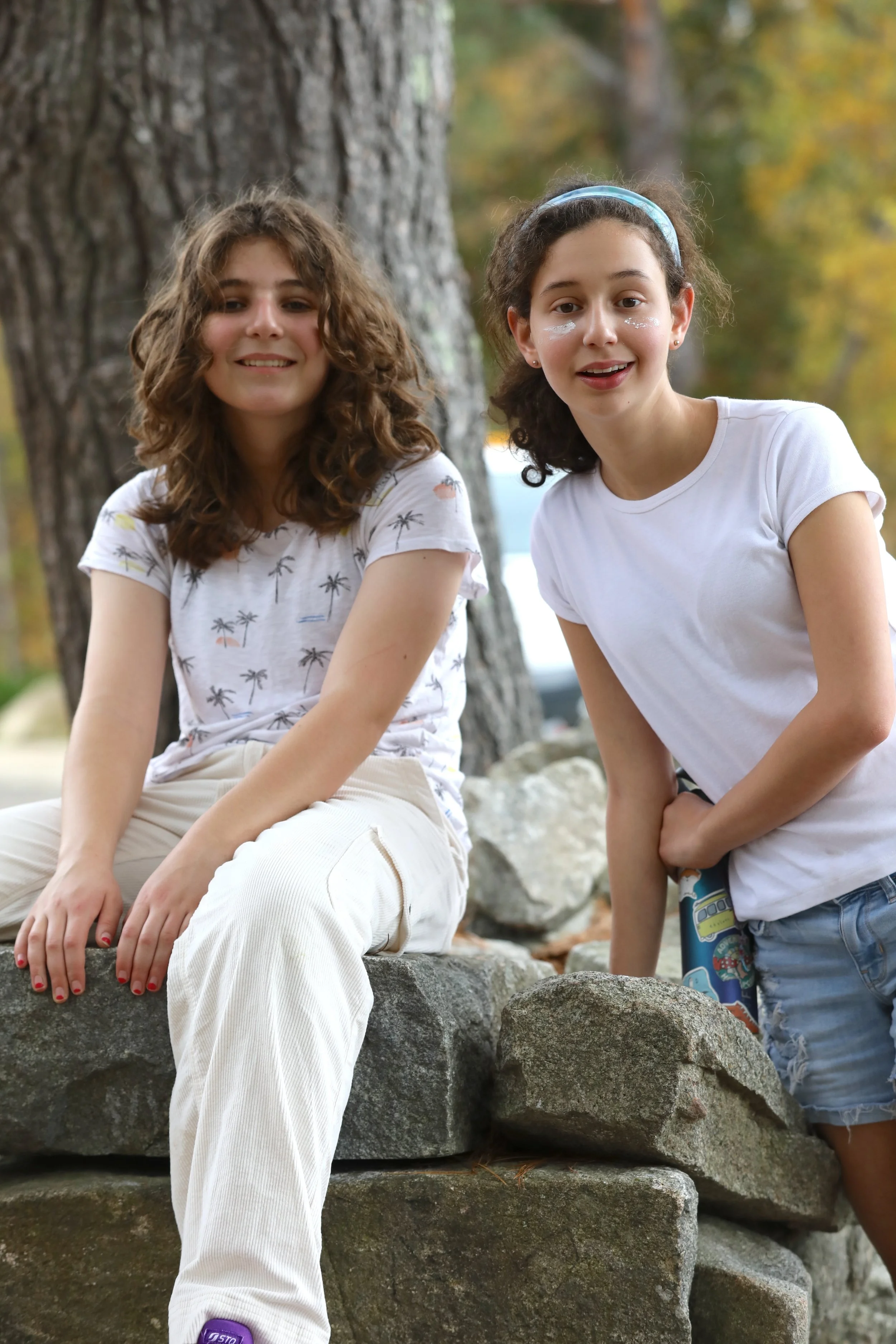
The Health Benefits of Spending Time in Nature|
Research continues to show the undeniable benefits of being outside. From lowering blood pressure and reducing anxiety to increasing sustained focus and mindfulness, time spent in nature is our best medicine. At Windham Woods School, students have multiple opportunities each day to be outside in our natural environment. Click below to read an article from the Wall Street Journal describing the impressive research.
For Better Health During the Pandemic, Is Two Hours Outdoors the New 10,000 Steps?
- Wall Street Journal • February, 2021
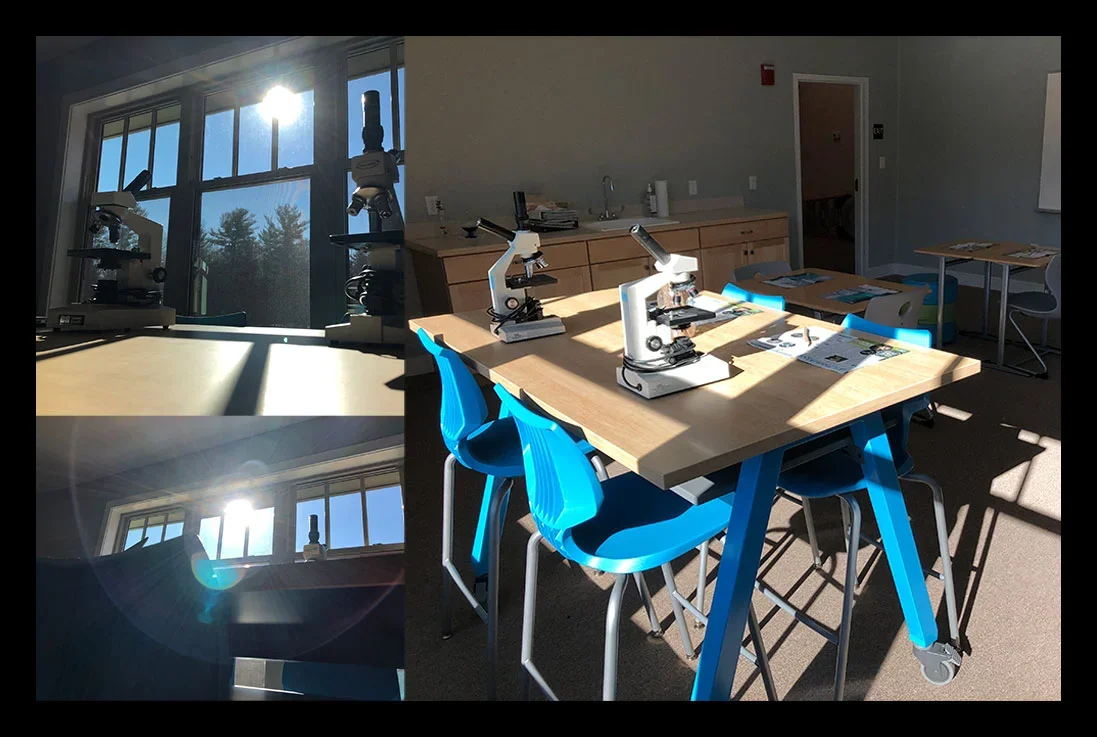
NATURAL SUNLIGHT POURS INTO OUR CLASSROOMS
Natural light is an essential part of the learning environment at Windham Woods School. With windows more than five feet tall in nearly every classroom, our students learn in bright, welcoming spaces that stay connected to the outdoors. Research has linked well-designed, naturally lit classrooms with improvements in mood, attention, and overall well-being, and we believe our physical environment should support the same thoughtful approach to learning as our educational program.
An interesting study published through the National Library of Medicine's PubMed database found a "...lower prevalence of ADHD in areas with high sunlight intensity. The preventative effect of high sunlight intensity might be related to an improvement of circadian clock disturbances, which have recently been associated with ADHD." While this study does not suggest that sunlight alone prevents ADHD, it highlights the important role that natural light may play in supporting healthy sleep patterns, attention, and brain function.
At Windham Woods School, abundant natural light is more than an architectural feature, it's part of our commitment to creating an environment that supports the whole child. We believe the spaces where students learn should be as intentional as the instruction they receive.
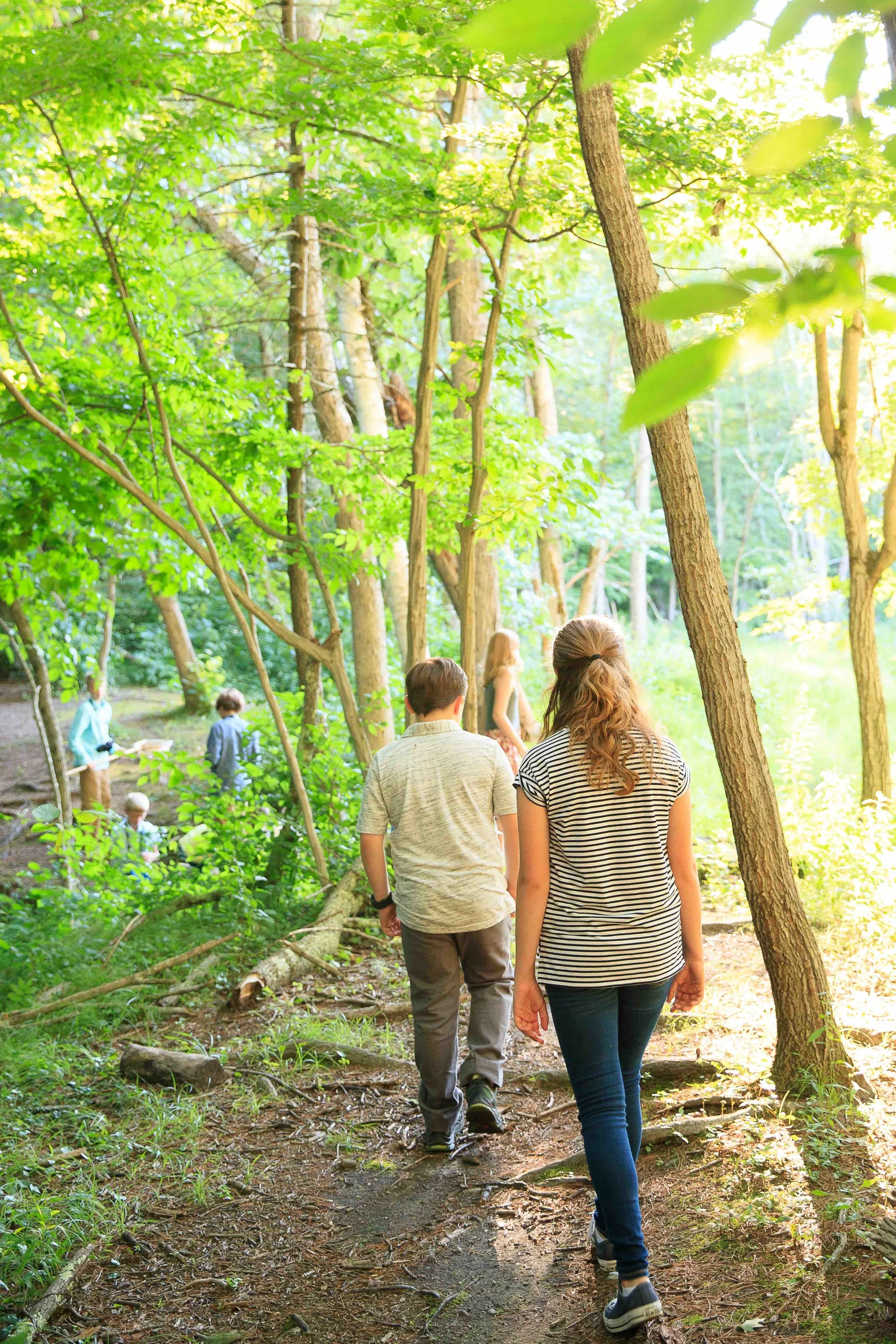
Children With Attention Deficit Concentrate Better After A Walk in the Park
At Windham Woods School, learning doesn't stop at the classroom door. With more than 250 acres of forests, fields, and trails, our campus provides countless opportunities for students to learn outdoors throughout the school year. Whether it's a science lesson in the woods, a literature discussion on a trail, or simply taking a class outside for a change of scenery, we believe nature is an extension of the classroom.
Research continues to support the value of outdoor learning. In a study published in the Journal of Attention Disorders, researchers found that children with ADHD demonstrated better concentration after just a 20-minute walk in a park compared with walks in urban settings. The authors concluded that "...environments can enhance attention not only in the general population but also in ADHD populations," suggesting that regular exposure to natural environments may be a valuable tool for supporting attention and focus.
This research aligns closely with our philosophy at Windham Woods School. We intentionally incorporate outdoor experiences into the school day because we know students benefit from movement, fresh air, and meaningful connections with the natural world. Our campus isn't simply a beautiful setting, it's an active part of the educational experience.
BOOKS
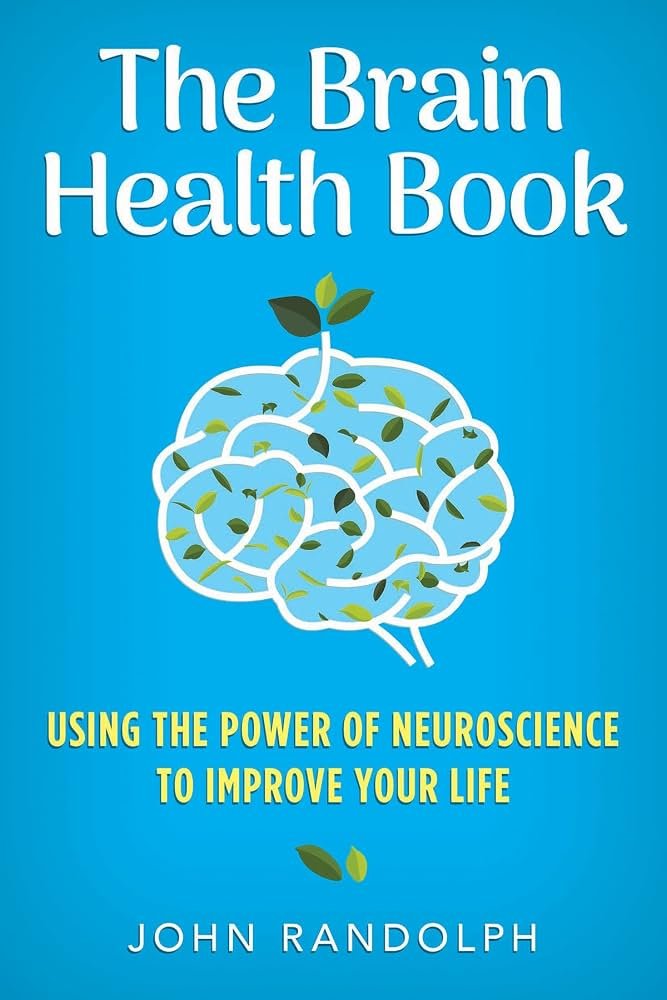
John Randolph, PhD, ABPP, is a board-certified clinical neuropsychologist, brain health coach and consultant, and member of the adjunct faculty at the Geisel School of Medicine at Dartmouth College. He works with individuals, groups, and organizations interested in developing better strategies to enhance brain health. Randolph dives into attention, memory, and executive function skills; what he calls “the cognitive trio.” Guess what he identifies as a major component of brain health? Movement!
Randolph says, “the more hours per day you spend sitting, the smaller your medial temporal lobe tends to be…Getting up and moving around, even for brief periods of time, really makes a difference for overall health and for brain health.”
We know this. We do this. We value movement at Windham Woods School. From short hikes between classes to vocabulary relay races like our middle school grade science class did this morning in the rain, our students MOVE!
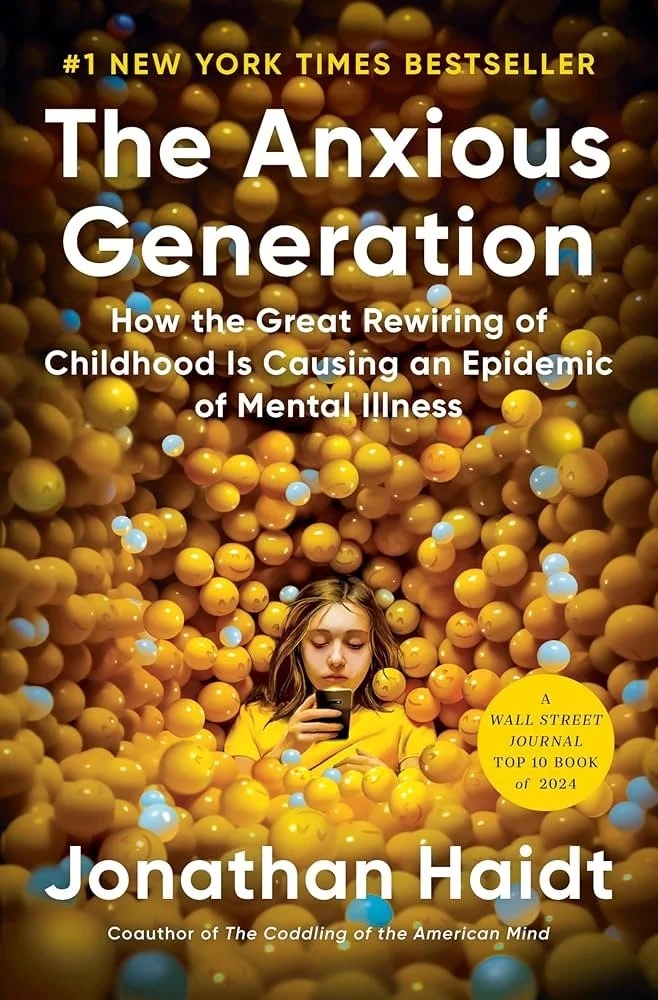
The Anxious Generation • Jonathan Haidt
Jonathan Haidt, PhD, is a social psychologist and professor at New York University whose research focuses on the ways culture, technology, and human behavior shape our well-being. In The Anxious Generation, Haidt examines the dramatic rise in anxiety, depression, and other mental health concerns among children and adolescents, arguing that the shift from a "play-based childhood" to a "phone-based childhood" has fundamentally changed the way young people grow, socialize, and develop.
Haidt points to two key ingredients that children need to thrive: more independence in the real world and less dependence on smartphones and social media. He explains that face-to-face relationships, unstructured play, outdoor experiences, and healthy risk-taking are essential for building resilience, confidence, and emotional well-being.
We understand this. We embrace this. At Windham Woods School, students spend their days engaged with one another, not with their phones. Cell phones are not permitted during the school day, with limited exceptions for seniors who have earned specific privileges. Instead, students build relationships through conversation, collaboration, movement, outdoor learning, and shared experiences. By creating an environment that prioritizes connection over constant digital distraction, we strive to support not only academic success but also the social and emotional growth of every student.
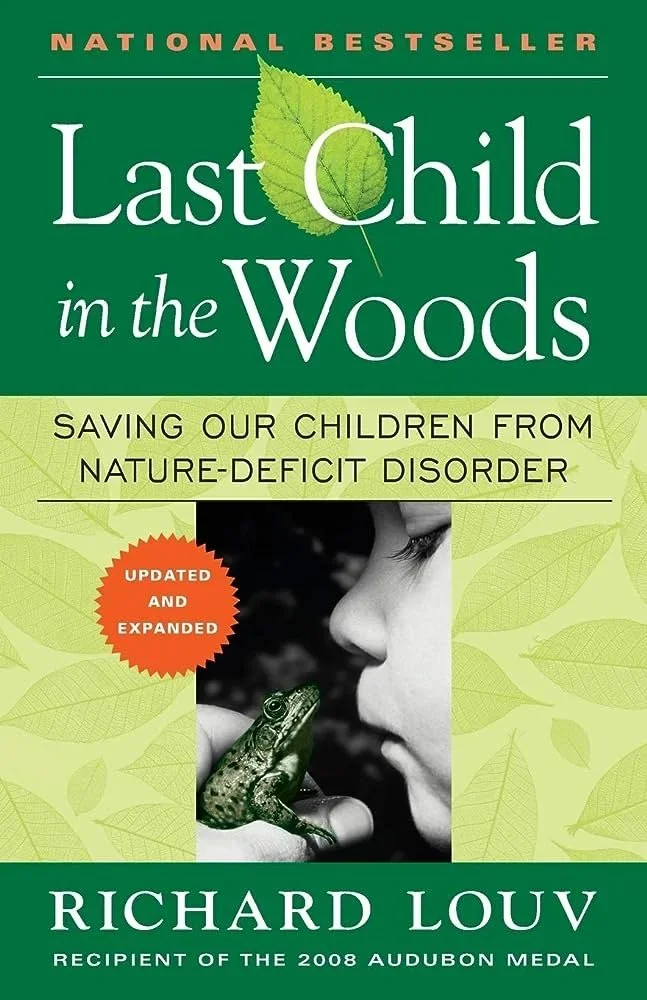
Last Child in the Woods - Saving Our Children from Nature-Deficit Disorder • By Richard Louv
In this influential work about the staggering divide between children and the outdoors, child advocacy expert Richard Louv directly links the lack of nature in the lives of today's wired generation—he calls it nature-deficit—to some of the most disturbing childhood trends, such as the rises in obesity, attention disorders, and depression.
Last Child in the Woods is the first book to bring together a new and growing body of research indicating that direct exposure to nature is essential for healthy childhood development and for the physical and emotional health of children and adults. More than just raising an alarm, Louv offers practical solutions and simple ways to heal the broken bond—and many are right in our own backyard.
Last Child in the Woods: Saving our Children from Nature Deficit Disorder has spurred an international movement to connect children, families and communities to the natural world. This is a book that will change the way you think about your future and the future of your children.
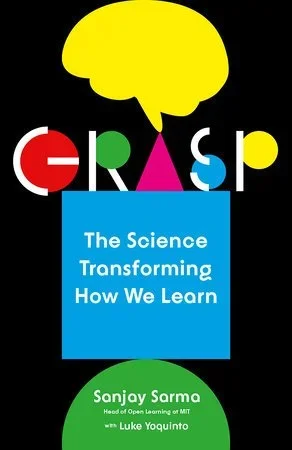
WWS Book Recommendation - "GRASP, The Science Transforming How We Learn" • Sanjay Sarma
How do we learn? And how can we learn better?
In this groundbreaking look at the science of learning, Sanjay Sarma, head of Open Learning at MIT, shows how we can harness this knowledge to discover our true potential. Drawing from his own experience as an educator as well as the work of researchers and innovators at MIT and beyond, in Grasp, Sarma explores the history of modern education, tracing the way in which traditional classroom methods—lecture, homework, test, repeat—became the norm and showing why things needs to change.
The book takes readers across multiple frontiers, from fundamental neuroscience to cognitive psychology and beyond, as it considers the future of learning. It introduces scientists who study forgetting, exposing it not as a simple failure of memory but as a critical weapon in our learning arsenal. It examines the role curiosity plays in promoting a state of “readiness to learn” in the brain (and its troublesome twin, “unreadiness to learn”). And it reveals how such ideas are being put into practice in the real world, such as at unorthodox new programs like Ad Astra, located on the SpaceX campus.
Along the way, Grasp debunks long-held views such as the noxious idea of “learning styles,” equipping readers with practical tools for absorbing and retaining information across a lifetime of learning.
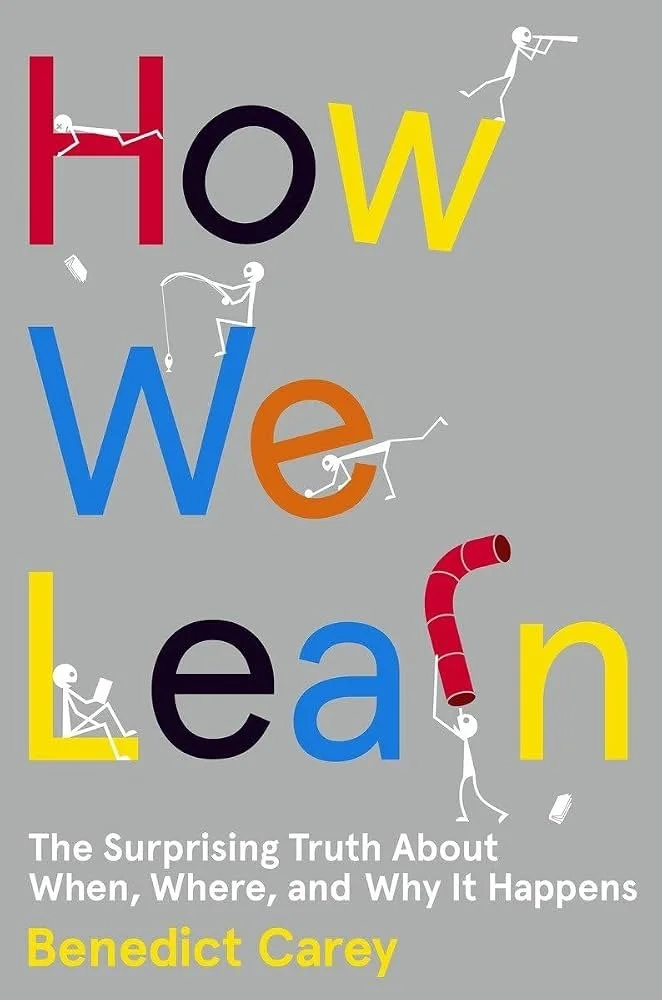
HOW WE LEARN - The Surprising Truth About When, Where, and Why It Happens • Benedict Carey
If you are interested in learning more about how we AND our children learn, check out “HOW WE LEARN” by award-winning science reporter, Benedict Carey.
In the tradition of The Power of Habit and Thinking, Fast and Slow comes a practical, playful, and endlessly fascinating guide to what we really know about learning and memory today—and how we can apply it to our own lives.
From an early age, it is drilled into our heads: Restlessness, distraction, and ignorance are the enemies of success. We’re told that learning is all self-discipline, that we must confine ourselves to designated study areas, turn off the music, and maintain a strict ritual if we want to ace that test, memorize that presentation, or nail that piano recital.
But what if almost everything we were told about learning is wrong? And what if there was a way to achieve more with less effort?
In How We Learn, Benedict Carey sifts through decades of education research and landmark studies to uncover the truth about how our brains absorb and retain information. What he discovers is that, from the moment we are born, we are all learning quickly, efficiently, and automatically; but in our zeal to systematize the process we have ignored valuable, naturally enjoyable learning tools like forgetting, sleeping, and daydreaming. Is a dedicated desk in a quiet room really the best way to study? Can altering your routine improve your recall? Are there times when distraction is good? Is repetition necessary? Carey’s search for answers to these questions yields a wealth of strategies that make learning more a part of our everyday lives—and less of a chore.
By road testing many of the counterintuitive techniques described in this book, Carey shows how we can flex the neural muscles that make deep learning possible. Along the way he reveals why teachers should give final exams on the first day of class, why it’s wise to interweave subjects and concepts when learning any new skill, and when it’s smarter to stay up late prepping for that presentation than to rise early for one last cram session. And if this requires some suspension of disbelief, that’s because the research defies what we’ve been told, throughout our lives, about how best to learn.
The brain is not like a muscle, at least not in any straightforward sense. It is something else altogether, sensitive to mood, to timing, to circadian rhythms, as well as to location and environment. It doesn’t take orders well, to put it mildly. If the brain is a learning machine, then it is an eccentric one. In How We Learn, Benedict Carey shows us how to exploit its quirks to our advantage.
FILMS
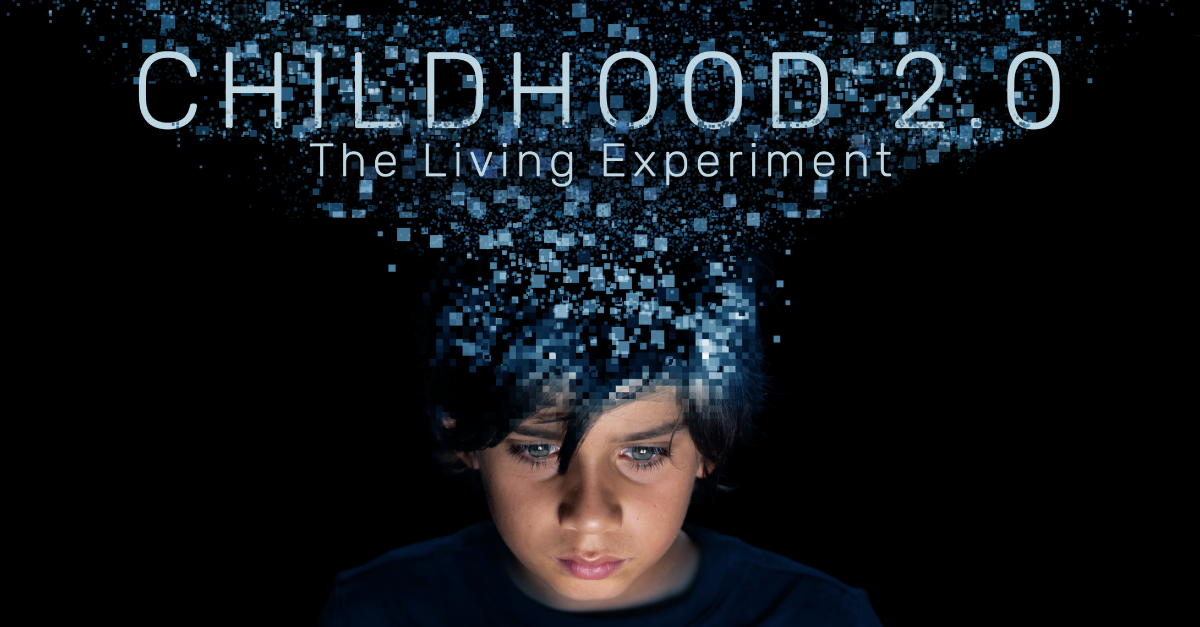
Childhood 2.0
Released in 2020, Childhood 2.0 explores how smartphones, social media, gaming, and constant internet access have fundamentally changed the experience of growing up. Through interviews with parents, educators, physicians, psychologists, law enforcement professionals, and young people themselves, the documentary examines the opportunities and challenges of raising children in today's digital world.
The filmmakers describe modern childhood as one in which children are spending "more time online and less engaging in real life, free play, and autonomy." That simple observation captures one of the documentary's central messages: childhood has changed dramatically in just one generation.
At Windham Woods School, we believe students benefit from opportunities to connect with one another, their teachers, and the natural world without the constant distraction of smartphones. Our phone-free school day (with limited privileges for seniors) reflects our commitment to creating an environment where students can focus on learning, build meaningful relationships, and experience the kind of face-to-face interactions that are essential for healthy development.
We highly recommend Childhood 2.0 to parents and educators who want to better understand the impact of technology on today's children and explore practical ways to create healthier digital habits at home.
PODCASTS

It's Complicated Podcast
Technology has transformed the way we work, communicate, and learn, but it has also changed childhood in profound ways. Helping young people develop a healthy relationship with smartphones, social media, and technology is one of the greatest challenges facing parents and educators today.
Hosted by digital well-being expert Tanya Goodin, It's Complicated explores how we can create healthier habits with technology and better understand its impact on our relationships, attention, sleep, and mental health. Each episode features researchers, psychologists, educators, and other experts who offer practical strategies for navigating our increasingly connected world.
At Windham Woods School, we believe technology should support learning, not compete with it. Our phone-free school day reflects our commitment to helping students engage with one another, their teachers, and the world around them. This podcast is an excellent resource for parents who want to better understand the challenges of raising children in the digital age.
Recommended for: Parents, educators, and anyone interested in creating healthier digital habits.